The Benefits of Live-in Care: 5 Advantages to Consider

Introduction
When our older loved ones begin to require a little more help looking after themselves, families often turn to residential care to provide round-the-clock support.
This can be a difficult step for a family to take and can cause emotional and physical distress for both the person requiring care and their family. For many people the idea of living in a residential care home or assisted-living facility can be deeply upsetting - with people fearing the loss of their home, independence and local community.
Most people are unaware that there is a way families can avoid the upheaval of moving a loved one into residential care by choosing to have a live-in carer provide round-the-clock support in the comfort of their own home. It also avoids the stress that comes with having to sell the family home.
Having a live-in carer is an increasingly popular alternative that gives peace of mind and confidence to both the service user and their family - allowing the person to live as independently as possible.
Familiar Surroundings
A person’s home is much more than just a roof and four walls. It’s a place that stores a lifetime of memories and personal treasures which can be heartbreaking to give up. Aside from the sentimental value, having to sell a family home can be a stressful and costly process.
My mother has been benefitting from CareYourWay for more than two years. Without them, it would have been impossible for our mother to live in our family home where she holds all her memories. The care provided to her has always been exceptional, putting her well-being above all else.
Linda - Home Care Client's Daughter
The familiarity of recognisable surroundings greatly benefits the person requiring care, especially if they’re suffering from Alzheimer’s or dementia. It can also help to maintain a sense of independence and dignity which can make all the difference for a person's mental health resulting in a better quality of life.
Staying With Loved Ones
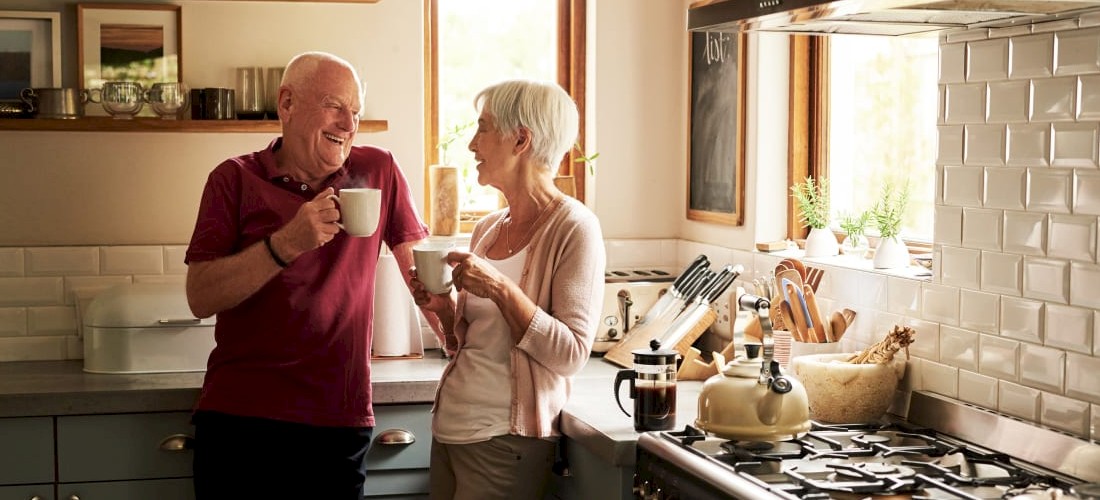
Having a live-in carer means the client can maintain relationships with family, friends and their local community. It also means they don’t have to rehome their beloved pets and can continue to live with their spouses.
Couples in later life often choose to have a live-in carer for this reason as they can stay with each other in the comfortable familiar surroundings of the home they built together.
Dedicated Care
Residential care homes simply can’t offer the same level of attention as the staff are responsible for the wellbeing of multiple residents at any given time. With live-in care the carer's attention is entirely focused on one person, providing peace-of-mind for the person receiving care and their loved ones.
This also helps with keeping family members informed and reassured that their loved one is well taken care of. Family members often assume the role of caregiver and having a live-in carer can provide much needed respite.
Service users can maintain their routines as the care can be easily tailored to their needs, and most importantly - they get to choose what to eat, a luxury not always afforded to the regimented meal times of residential care.
Continuity of Care
It can be difficult for some people to get comfortable with new people, especially if the caregiver is constantly changing. With the same caregiver residing in the home there is a complete continuity of care. This also allows for a more personal relationship between caregiver and client as they build a rapport with each other.
The level of trust and friendship developed between a live-in carer and a service user is something less likely to happen in a residential setting. This can help to combat feelings of loneliness and isolation that many people face as they age with live-in carers often encouraging and supporting service users to pursue their hobbies and interests.
We continually monitor our care plans and can quickly adapt and implement changes whenever they’re needed. Care plans can also easily be shared with family ensuring that everyone is kept up to date with a service user's evolving needs.
Specialist Long-term care
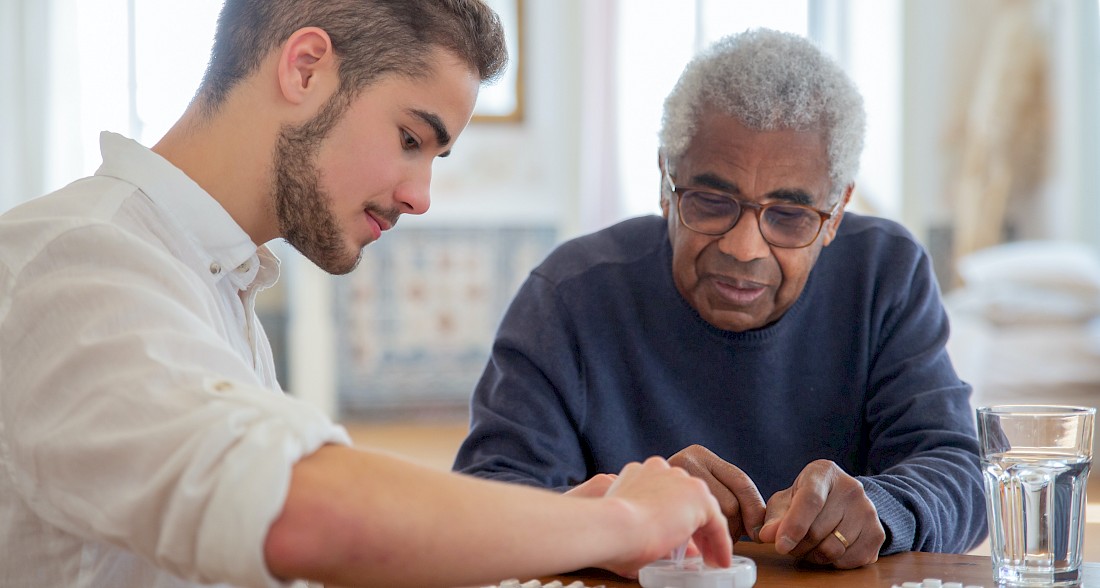
A number of age related illnesses can require an enhanced level of specialist care and can often involve a revolving cast of medical professionals. Having a dedicated live-in carer providing one on one care can provide a sense of stability and cut down on the number of healthcare professionals needed - which can help prevent infections thanks to the decreased number of people entering the home.
CareYourWay understands the importance of remaining happy at home which is why all of our carers are highly trained, compassionate and friendly.
Taking the next step toward having a loved one receiving care can be challenging, confusing and emotionally fraught. We’re here to help advise and guide you through the process. Get in touch today to find out more about the exceptional service we provide.
This article was last updated on February 7th 2022 by CareYourWay Team

- 01548 721930
- enquiries@careyourway.co.uk
Registered Office:
CareYourWay
Little Spires
Totnes
Devon
TQ9 7QE
National Office
Main Links
Our Care Services
Work with UsWe're hiring!